Engineering the Future of Sustainable Rail Mobility
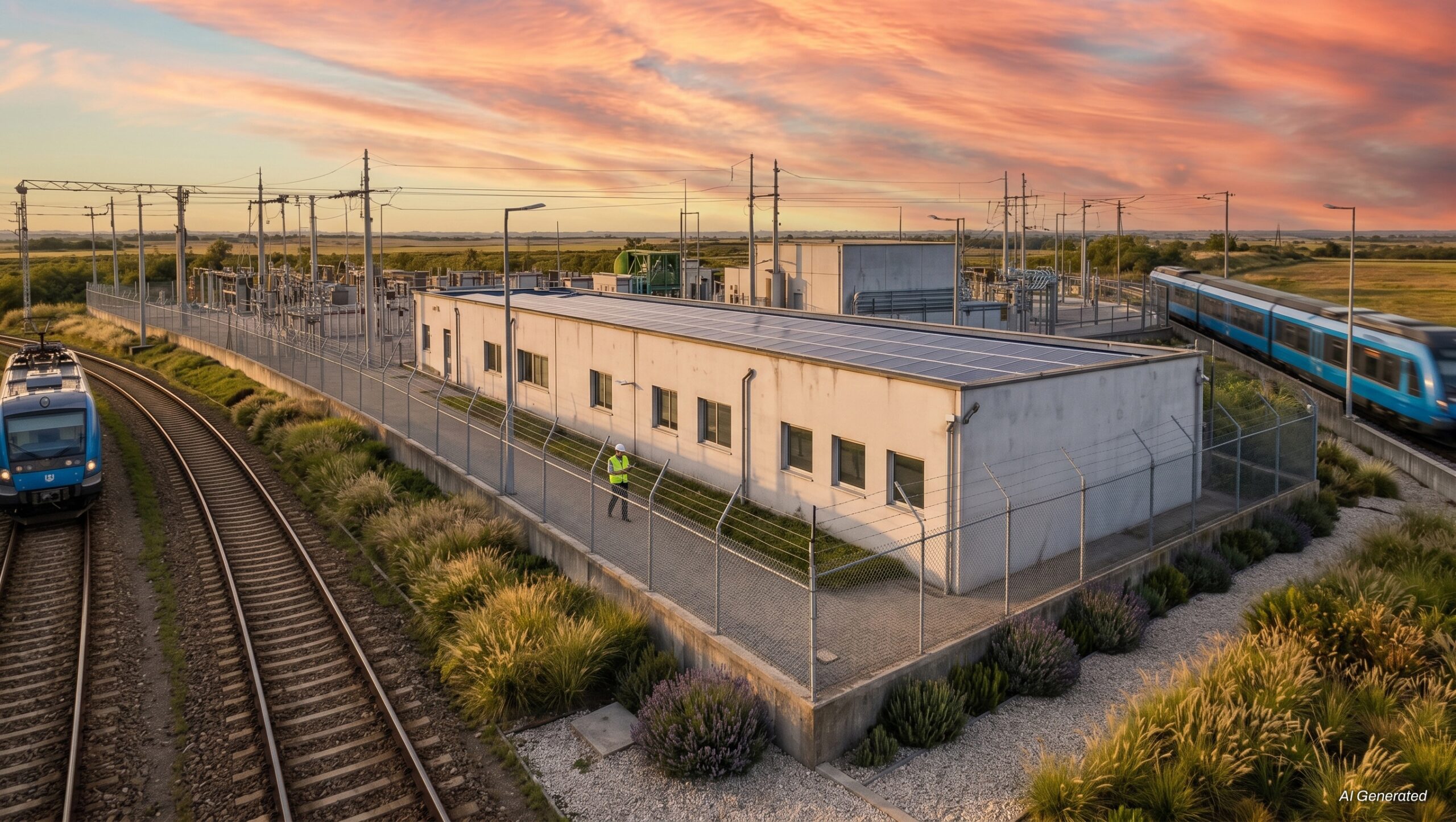

São Paulo Intercity Train (TIC) – Traction Power Supply Infrastructure

The development of modern railway infrastructure is essential to improving regional connectivity, promoting sustainable mobility, and enhancing transportation efficiency. In São Paulo, Brazil, the Intercity Train (TIC) project represents a major investment in passenger rail transportation, connecting São Paulo and Campinas through approximately 101 km of railway infrastructure. Quadrante is contributing to this strategic initiative by providing specialized engineering services for the development and modernization of the electrical traction power supply system.

The project involves the development of electrical engineering designs for the traction power supply infrastructure of the São Paulo Intercity Train (TIC) system, covering approximately 101 km of railway. The scope includes four primary substations (SP), eight traction rectifier substations (SER), and eight sectionalizing cabins (CS), comprising both new installations and upgrades to existing facilities. Operating with a 3 kV DC traction system and 138/88 kV high-voltage power supply, these facilities are essential to ensuring reliable and efficient electricity distribution for railway operations. The engineering services encompass conceptual, basic, and detailed design phases, integrating multidisciplinary solutions to support the development of modern railway infrastructure.

Key numbers

Market

BR+CH

Sector

Energy

Location

Brazil

Client

Tic Trens

Quadrante is providing multidisciplinary engineering services for the development and modernization of the TIC electrical substations, supporting the expansion of São Paulo’s railway transportation network. The scope includes civil and structural design, and BIM-based project development, ensuring technical coordination and integration across all project phases. Through its expertise in electrical infrastructure and complex engineering projects, Quadrante contributes to the implementation of a safe, reliable, and energy-efficient railway system, promoting sustainable mobility, improved regional connectivity, and the modernization of public transportation infrastructure.