Searching...
Engineering a Sustainable Technology Valley
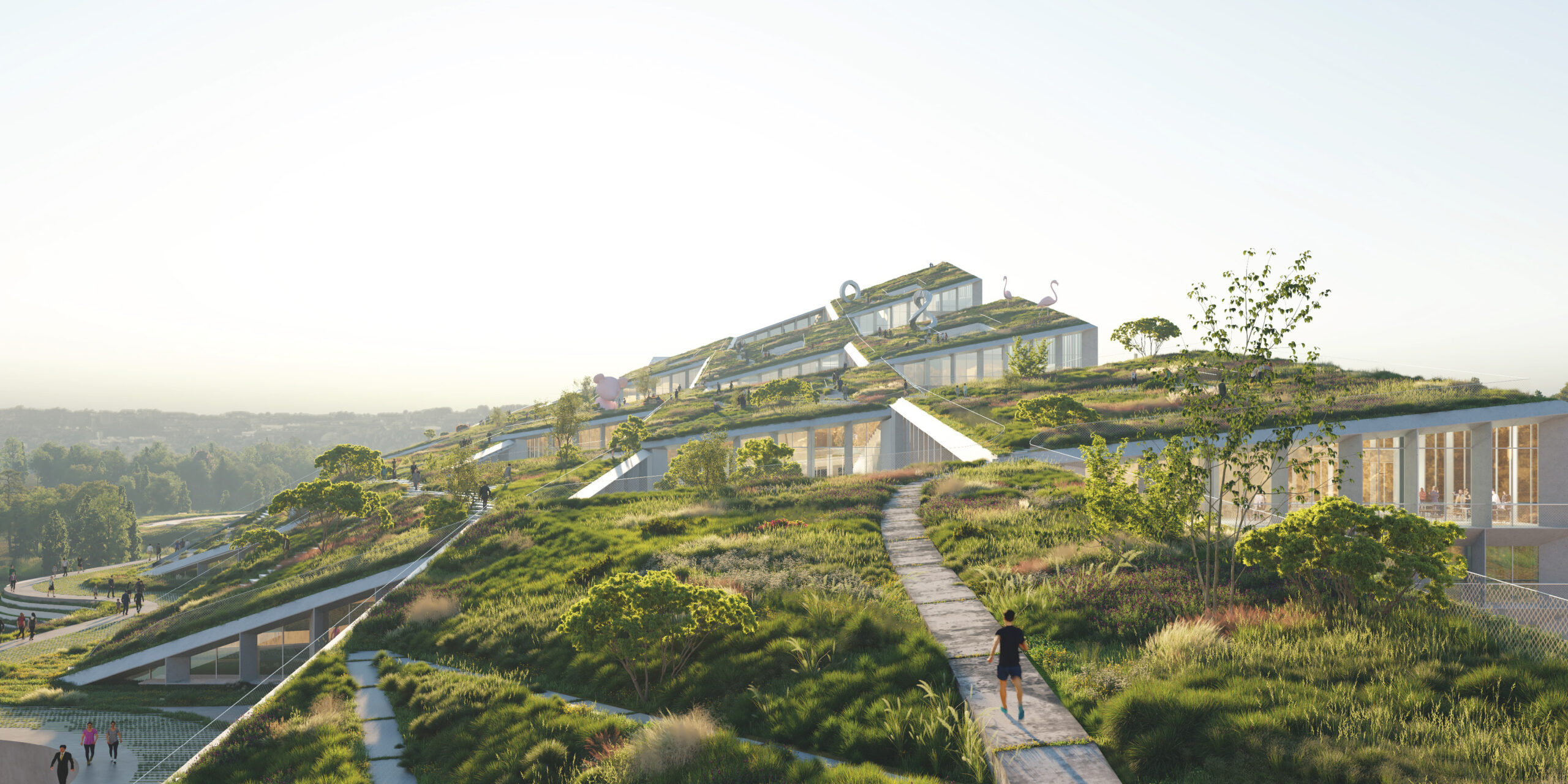
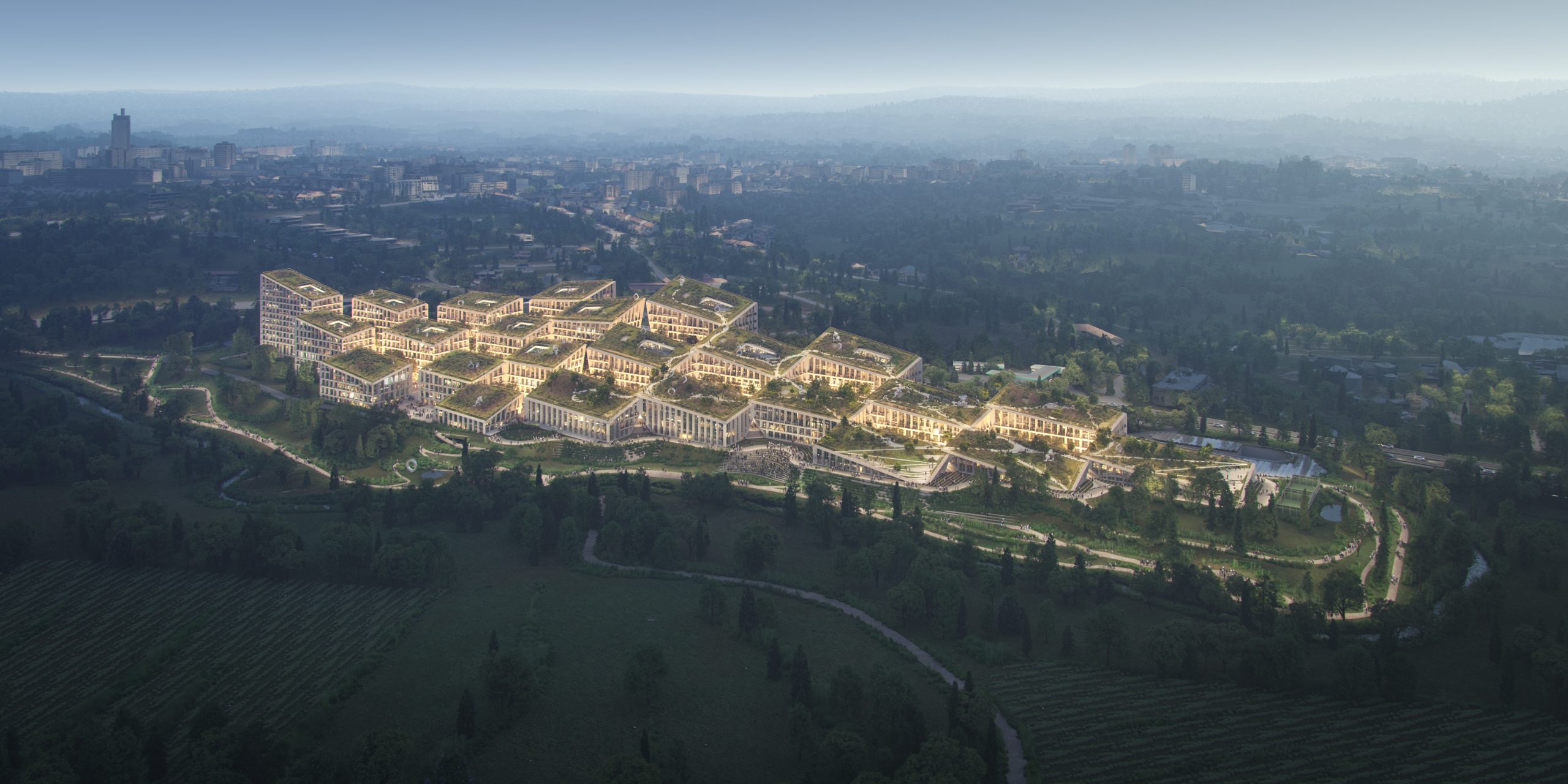
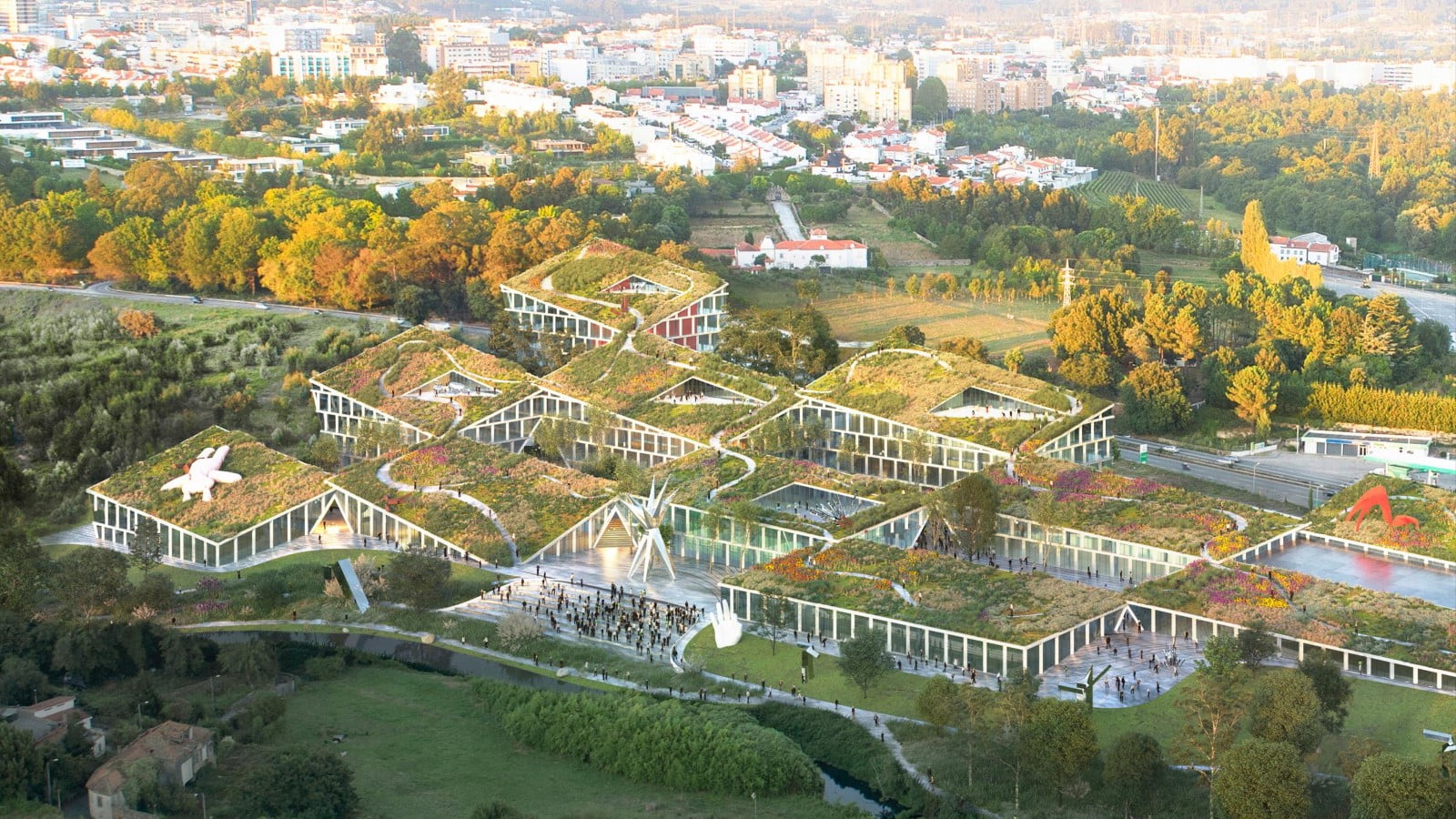
High environmental performance was embedded into the engineering strategy from the earliest design stages. Working alongside Bjarke Ingels Group (BIG), Quadrante developed the multidisciplinary engineering and sustainability consultancy for Farfetch’s new offices, from Concept Design and Licensing through Detailed Design and Technical Assistance during construction. The scope integrated structures, excavation and retaining structures, water systems, electrical installations, telecommunications, security, building management systems, mechanical and ventilation systems, gas, lifts, acoustics, thermal performance and waste management. BIM and 6D BIM simulations supported multidisciplinary coordination and the assessment of energy, daylight and shading, water reuse, carbon footprint, circularity, traffic and accessibility.
Market
Sector
Sustainable Cities
Location
Portugal
Year
2022
Client
Farfetch
Area
155 820 m²
Green spaces
55% of the site
Farfetch office buildings
12
Target energy reduction
60%
Potable water reduction target
75% vs. a standard building
Recovered water
designed to supply 50% of sanitary and irrigation needs
Sustainability targets
Zero Energy Buildings (ZEB) | LEED Platinum | WELL Platinum